

Dental Accidents in Kids: How to Protect Your Child’s Smile
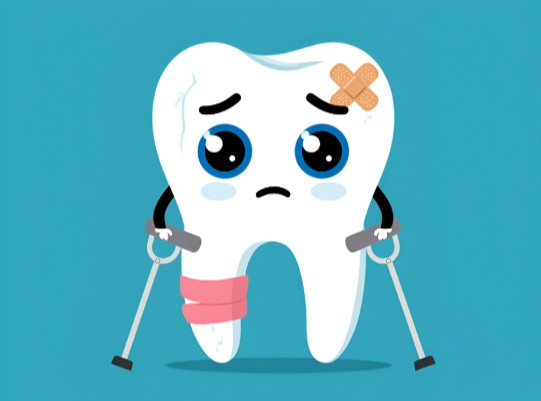
Dental trauma is one of the most common childhood injuries with an estimated 30–50% of children experiencing some form of dental injury over the course of their lives. Incidence peaks around ages 1–2 years, when children are learning to walk, and again during childhood and adolescence when sports-related injuries are more frequent. The most common dental injury is fracture of the front teeth.
Management of tooth fractures depends on several factors, including whether the affected tooth is primary or permanent, the extent of the fracture, and the patient’s and parents’ esthetic concerns. Prognosis is influenced by both the severity of the fracture and the stage of tooth development at the time of injury.
When trauma involves a primary tooth, potential sequelae include tooth discoloration, altered exfoliation timing, and abscess formation. Additionally, there may be implications for the developing permanent successor, such as enamel hypo mineralization or root dilaceration.
When a permanent tooth sustains a fracture, close monitoring is essential to evaluate for signs and symptoms of pulpal infection or necrosis. In many cases, fractured permanent teeth can be restored successfully with no significant long-term adverse outcomes. However, if the fracture is extensive and there is evidence of potential pulpal injury or a frank pulp exposure, these teeth require careful follow-up for symptoms, color changes, or signs of infection.
Following dental trauma, patients should contact us as soon as possible. If the fractured tooth fragment can be located, it should be saved and brought to the dental visit, as in some cases the fragment can be bonded back to the tooth. If a pink or red spot is visible on the fractured surface—suggesting pulpal proximity or exposure—timely dental evaluation is critical. Placement of a protective material over the pulp may help preserve vitality and reduce the likelihood of future root canal treatment.
It is even more important that the patient contact us for advice if permanent teeth are displaced or worse yet avulsed/knocked out. Teeth that are displaced can often be repositioned and splinted until healing takes place. If a permanent tooth has been avulsed, immediate reimplantation significantly improves the long-term prognosis.